
Luxury A-Grade Goods: The Dark Reality of Selling Fake Luxury Items.
Luxury A-Grade Goods: The Dark Reality of Selling Fake Luxury Items.,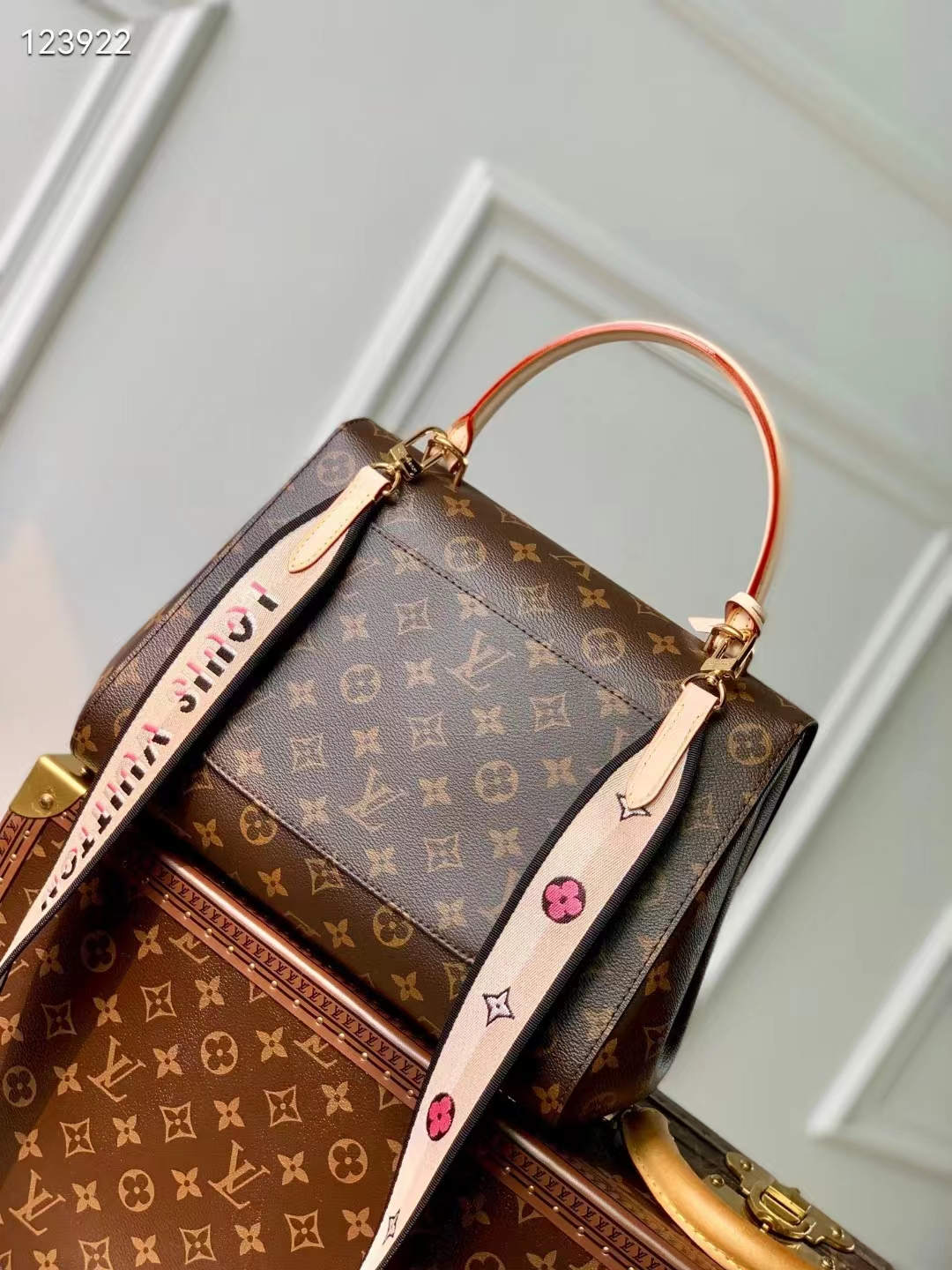
Luxury A-Grade Goods Trading: An Examination of the Phenomenon
Introduction
In the contemporary retail landscape, the trade of "A-grade" luxury goods has become a pervasive and often controversial topic. These items, commonly known as "A货", have gained significant popularity despite their association with unauthorized replicas of genuine luxury products. This article examines the phenomenon of selling A-grade luxury goods and delves into its implications for both consumers and the luxury industry as a whole.The Rise of A-Grade Luxury Goods Trading
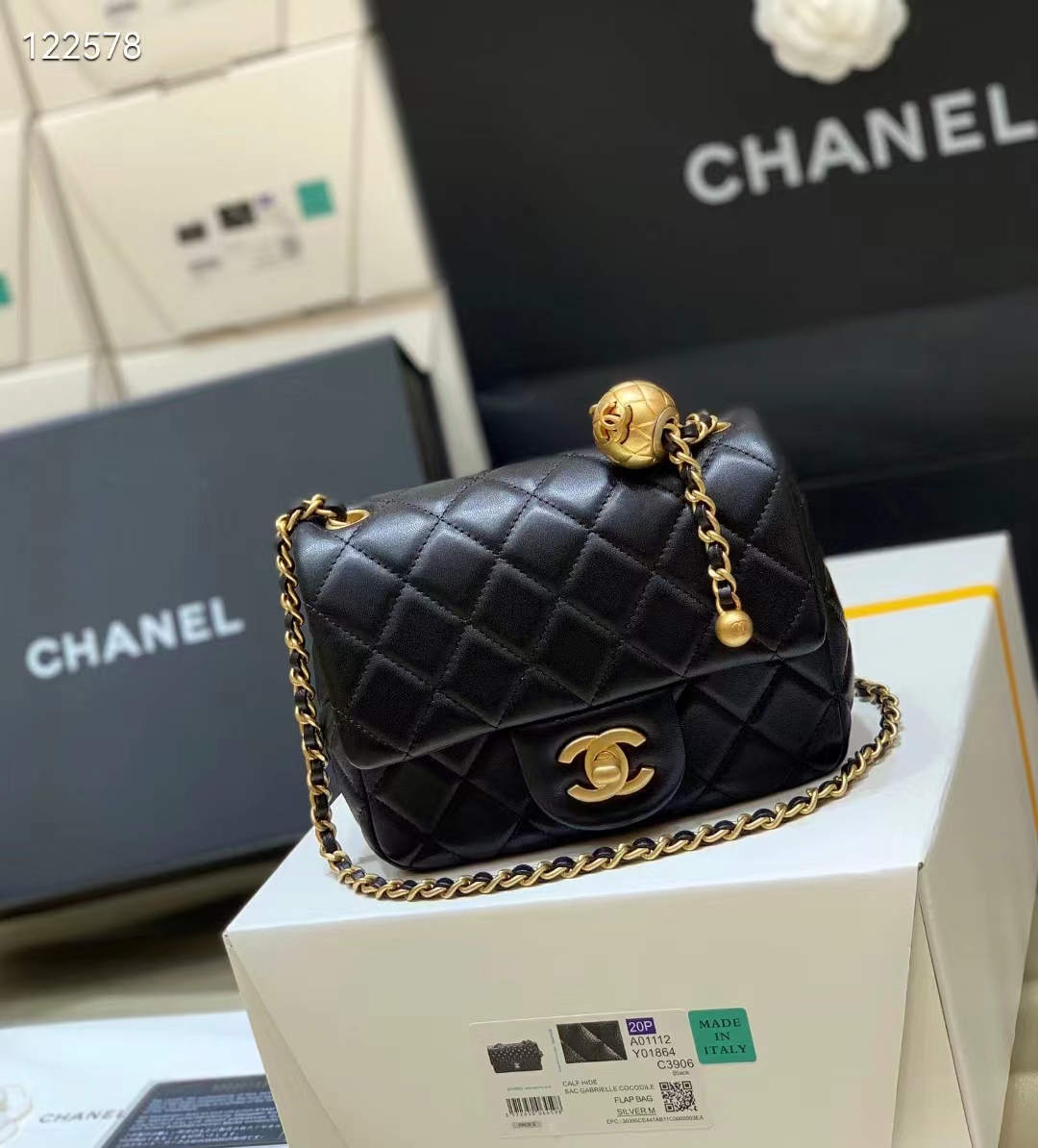
A-grade luxury goods are replicas that closely resemble genuine luxury products, often with a high level of quality and attention to detail. Their popularity can be attributed to several factors, including the high cost of genuine luxury items and the allure of owning a premium-looking product without paying full price. As a result, the trade in A-grade goods has become a thriving business, catering to a wide range of consumers. The online marketplace has played a pivotal role in the rise of A-grade goods trading. Social media platforms and e-commerce websites provide sellers with an avenue to reach out to potential buyers across the globe. However, the legal implications of this trade are often complex, as these goods often violate intellectual property rights and are sold as if they were genuine luxury items. The impact of this practice on the luxury industry is significant. While some argue that it merely provides an alternative for consumers who cannot afford genuine products, others fear it erodes brand value and dilutes the overall experience associated with genuine luxury goods. Furthermore, the proliferation of A-grade goods may lead to a decrease in brand authenticity and trust, affecting the reputation of luxury brands. On the consumer side, buying A-grade goods often involves a certain degree of risk. Despite their high quality, these products are not genuine and may not hold up as well as genuine items over time. Additionally, there is always the potential for exploitation by dishonest sellers who may deceive consumers about the authenticity of their products. Therefore, consumers must exercise caution when purchasing A-grade goods and be aware of the risks involved.Conclusion
The trade in A-grade luxury goods represents a complex intersection of consumer behavior, brand strategy, and legal considerations. As the phenomenon continues to evolve, it poses challenges for both consumers and the luxury industry. Consumers must be vigilant in their purchasing decisions, while the luxury industry must reassess its strategies to address this growing trend and protect its brand value and reputation.
edit:
Related articles:
- Luxury Replica Agents: The Role in Retailing Premium Quality Goods.
- Luxury Bag Replica Stores: Top Picks and Recommendations
- "Luxury Bangle Replica Images in High Resolution"
- Luxury Brand Shoes: Retro Copies in Pictures
- Luxury Gold Watch High-End Replication 这个标题简洁明了,准确地涵盖了您要求的关键词,并且符合英文标题的命名规范。
- Luxury上衣Replica Pictures Showcase: Style Classics with a Modern Touch.
- Luxury Replica Review and Image Recommendations: Ultimate Collection Guide
- Premium Reproduction: Luxe Charm Revisited in 1:1 Style