

Should You Buy A Luxury A-Grade Goods?
Should You Buy A Luxury A-Grade Goods?,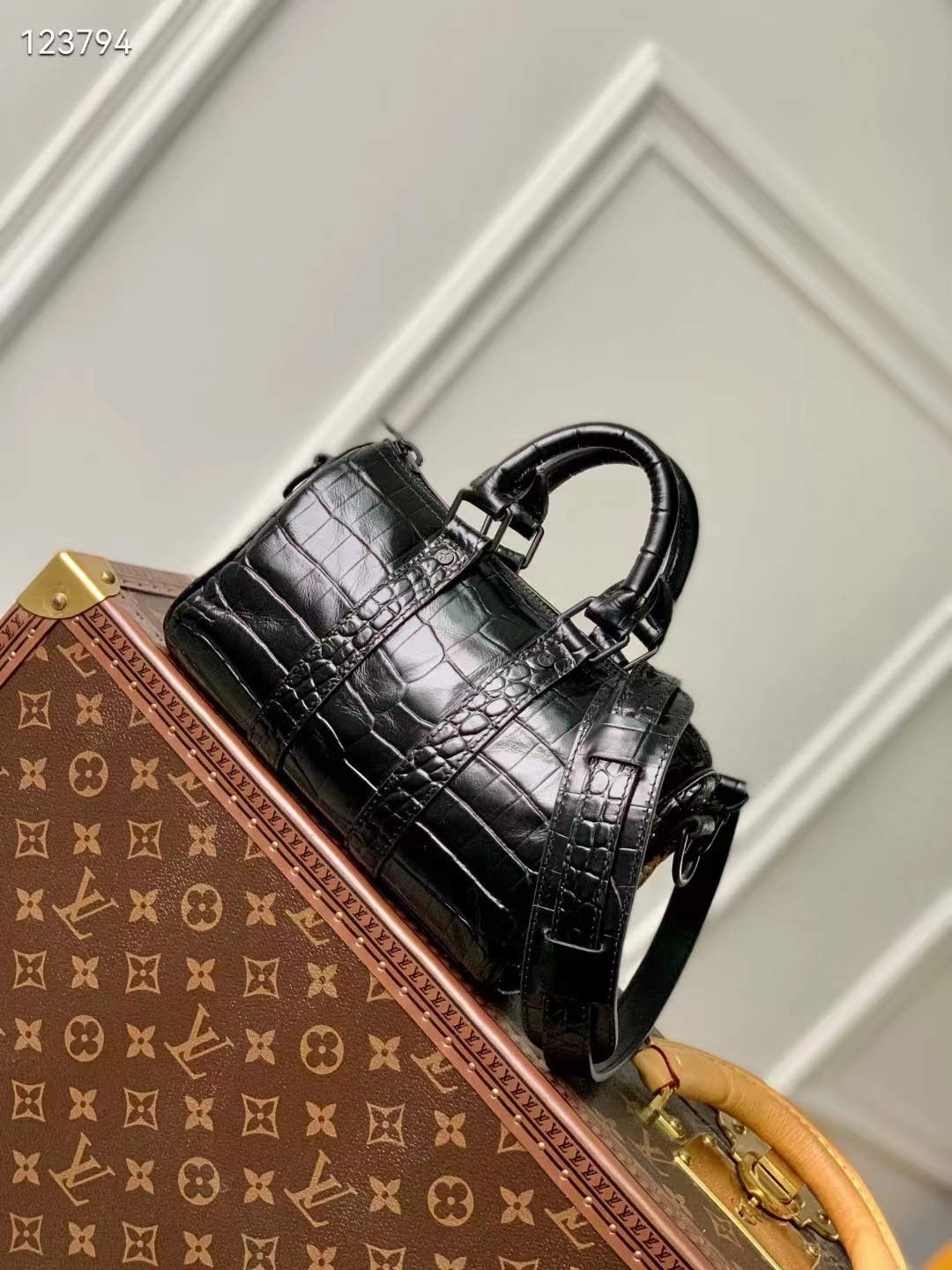
The Debate on Buying Luxury A-Grade Goods
In the contemporary world, the issue of purchasing luxury A-grade goods, often referred to as replicas or high-quality imitations, has become a subject of intense debate. This article explores the perspectives on both sides of the spectrum, analyzing the reasons behind this practice and considering the implications it has on individuals and society.
The Case for Buying A-Grade Luxury Goods
There are several arguments in favor of purchasing luxury A-grade goods. For many, these items offer an affordable entry point into the world of luxury without having to pay full price for an authentic piece. In a world where genuine luxury brands often come with a hefty price tag, A-grade goods provide consumers with an alternative that satisfies both the desire for quality and the budget constraints. Furthermore, some individuals view these products as a form of personal expression, using them as a creative outlet or to explore different styles without breaking the bank.
The Case Against Buying A-Grade Luxury Goods
On the other hand, there are compelling reasons to oppose the practice of buying luxury A-grade goods. Firstly, supporting this industry might encourage the perpetuation of fake products that hurt the reputation of genuine brands. Moreover, buying A-grade goods may contribute to a culture of materialism that prioritizes appearance over quality and authenticity. Furthermore, consumers might be deceived into buying products that claim to be authentic but are actually inferior imitations, leading to a loss of trust in the market and potentially causing financial harm.
Moreover, there is also a social aspect to consider. Purchasing A-grade luxury goods can raise questions about one's moral values and ethical judgments. In a society where genuine luxury brands often represent status and success, buying imitations might be seen as a compromise of principles or a lack of integrity. This could potentially affect personal relationships and professional opportunities.
Conclusion
In conclusion, the decision to buy luxury A-grade goods is a complex one that involves personal preferences, financial constraints, and ethical considerations. While there are valid arguments on both sides of the spectrum, it is important to make an informed decision that considers all factors. Consumers should be aware of the potential risks and consequences before making any purchase, while also supporting genuine brands that prioritize quality, authenticity, and ethical production practices.
Ultimately, the choice to buy or not buy luxury A-grade goods lies with each individual consumer. It is about understanding personal values, being mindful of social implications, and making a conscious decision that aligns with one's principles.
- Luxury Replica Agents: The Role in Retailing Premium Quality Goods.
- Luxury Bag Replica Stores: Top Picks and Recommendations
- "Luxury Bangle Replica Images in High Resolution"
- Luxury Brand Shoes: Retro Copies in Pictures
- Luxury Gold Watch High-End Replication 这个标题简洁明了,准确地涵盖了您要求的关键词,并且符合英文标题的命名规范。
- Luxury上衣Replica Pictures Showcase: Style Classics with a Modern Touch.
- Luxury Replica Review and Image Recommendations: Ultimate Collection Guide
- Premium Reproduction: Luxe Charm Revisited in 1:1 Style