

Is it OK to Purchase A-Grade Goods for Bags?
Is it OK to Purchase A-Grade Goods for Bags?,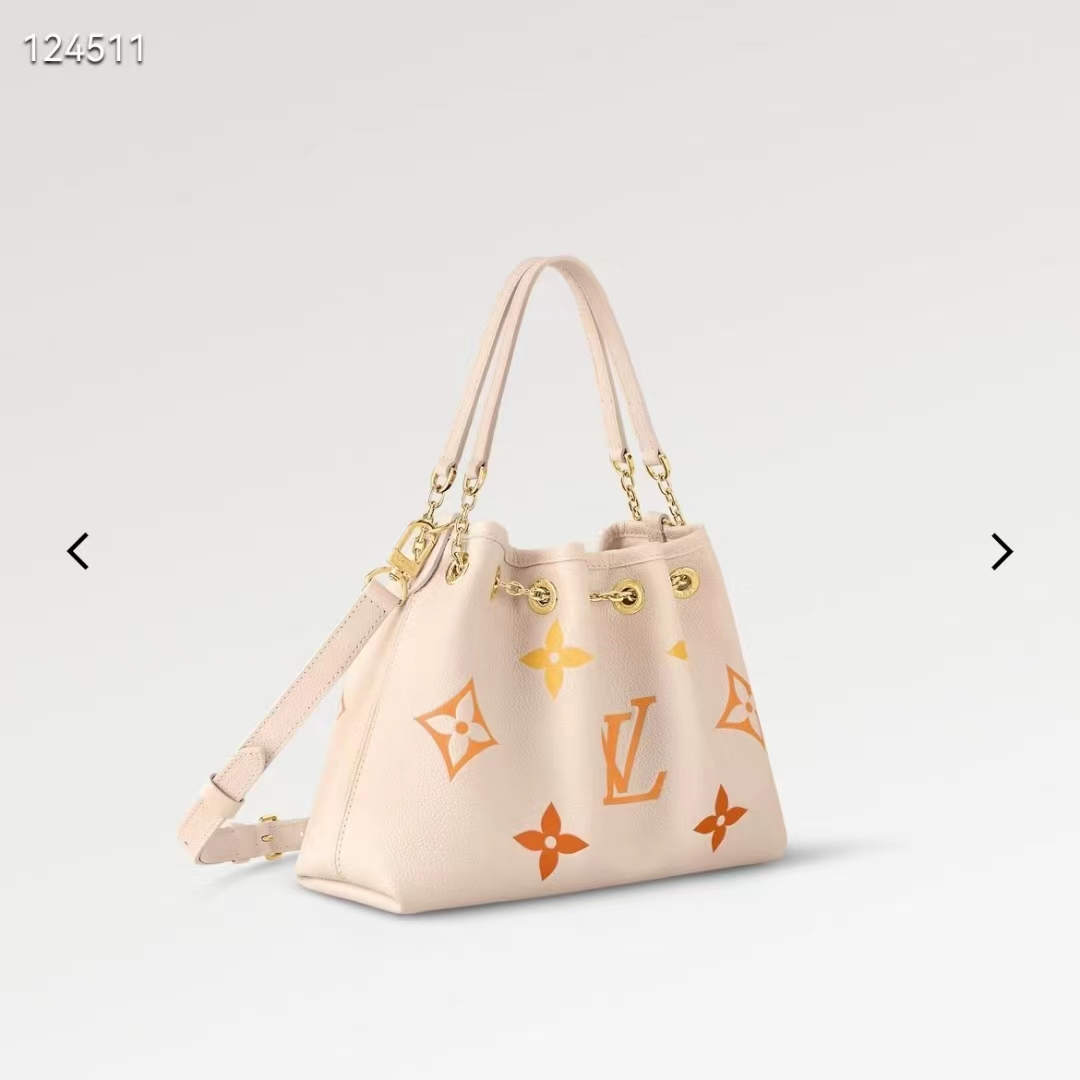
Is Buying A-Grade Goods Acceptable?
In today's consumer market, the term "A-grade goods" often raises a variety of perspectives and discussions. A-grade goods, commonly known as "A货" in Chinese context, often refer to high-quality replicas that imitate the design and features of genuine luxury goods. The issue surrounding the purchase of such products is a complex one that involves questions of ethics, legality, and consumer behavior.
Ethical Considerations
From an ethical perspective, buying A-grade goods can be seen as a controversial practice. While some argue that consumers have the right to choose affordable alternatives, others raise concerns about supporting the culture of imitation and potentially harming the original brand owners. The模仿行为可能助长了一种不正当的竞争氛围,削弱了品牌创新的动机和原创设计的价值。在这个问题上,个人的道德观念和价值取向起着重要作用。
Furthermore, if the purchase of A-grade goods involves illegal activities such as trademark infringement or the sale of counterfeit products, it becomes an even more serious ethical and legal issue. Consumers should be aware of the potential risks and consequences of such actions.
Consumer Behavior and Market Dynamics
From a consumer behavior perspective, the decision to purchase A-grade goods is often influenced by various factors such as cost, accessibility, and personal preferences. In markets where genuine luxury goods are pricey and beyond the reach of many, A-grade goods offer an affordable alternative. However, as consumers, we must be mindful of the impact our choices have on the overall market and economy.
The existence of A-grade goods markets also reflects broader social and economic issues. While some argue that they cater to the needs of a certain consumer group, others point out that they undermine the original brand market and potentially hurt small businesses and craftsmanship. Balancing consumer rights with market fairness and sustainability is a complex task.
Conclusion
The issue of buying A-grade goods is not black and white. It involves considerations of ethics, legality, consumer behavior, and market dynamics. As consumers, we must be mindful of our choices and the potential impact on others. At the same time, we should also promote a culture of authenticity and support original design and innovation.
Ultimately, the decision to purchase A-grade goods is a personal one that requires careful consideration of one's own values, ethical stance, and the broader social context. Informed decisions that balance personal needs with societal responsibilities are key in any consumer behavior.

- Luxury Replica Agents: The Role in Retailing Premium Quality Goods.
- Luxury Bag Replica Stores: Top Picks and Recommendations
- "Luxury Bangle Replica Images in High Resolution"
- Luxury Brand Shoes: Retro Copies in Pictures
- Luxury Gold Watch High-End Replication 这个标题简洁明了,准确地涵盖了您要求的关键词,并且符合英文标题的命名规范。
- Luxury上衣Replica Pictures Showcase: Style Classics with a Modern Touch.
- Luxury Replica Review and Image Recommendations: Ultimate Collection Guide
- Premium Reproduction: Luxe Charm Revisited in 1:1 Style