

Luxury Goods: Understanding the One-to-One Profit Margin.
Luxury Goods: Understanding the One-to-One Profit Margin.,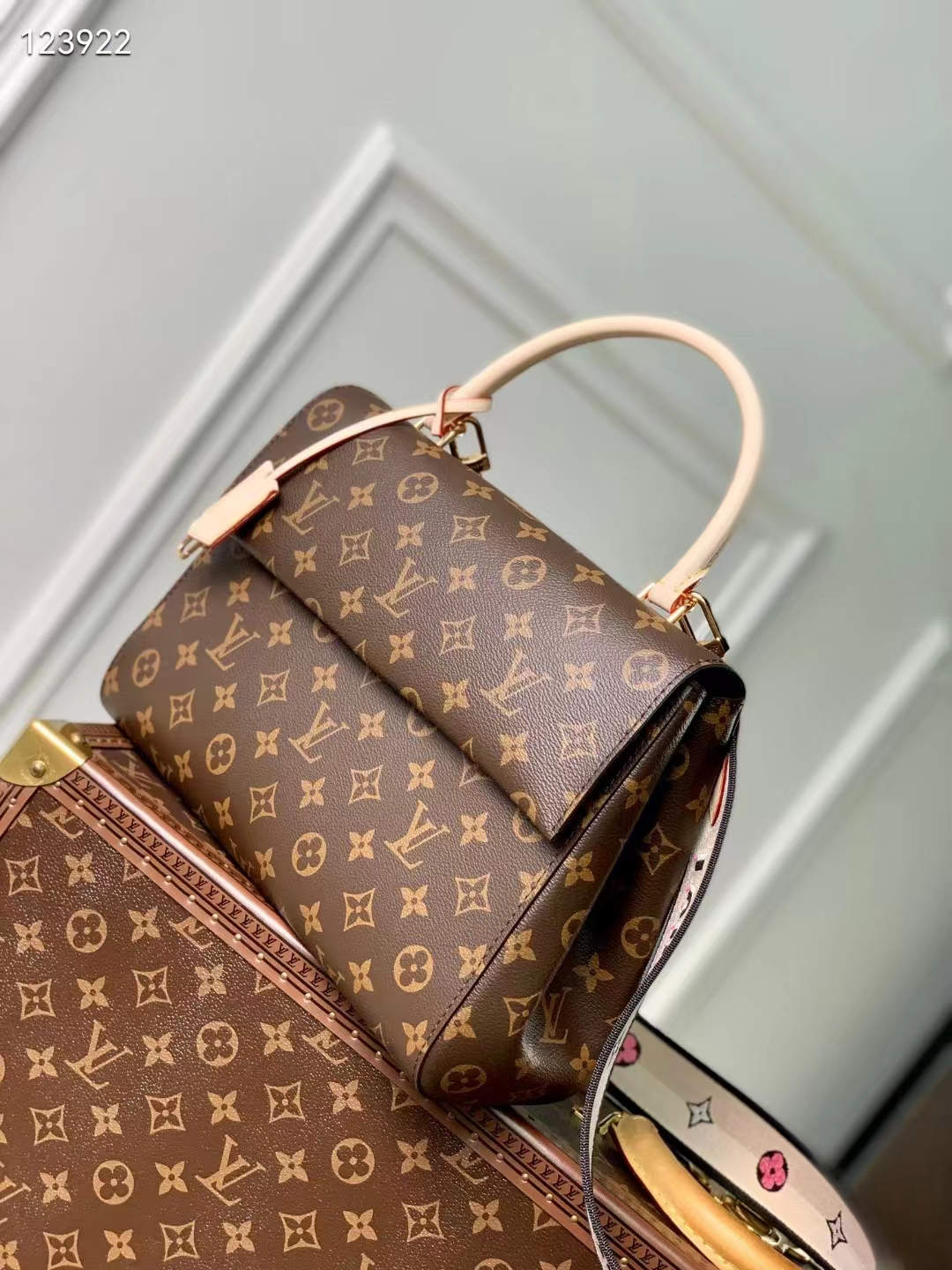
Luxury Goods and the Profitability of 1:1 Ratio
In the realm of high-end retail, the concept of "luxury goods" encompasses a wide range of products that are marked by their premium quality, exclusive designs, and high prices. These items are often seen as symbols of status and wealth, attracting a specific consumer base that is willing to pay a premium for such items. When discussing the profitability of the 1:1 ratio in the context of luxury goods, it becomes necessary to consider several factors that influence the industry.
Firstly, the cost of production for luxury goods is often significantly higher than for regular products. This is due to the use of high-quality materials, intricate designs, and skilled craftsmanship involved in their creation. As a result, manufacturers are able to charge higher prices for these items, which ultimately results in higher profit margins. Furthermore, luxury brands typically have a strong reputation for quality and exclusivity, which further justifies their high prices.
Secondly, the 1:1 ratio in the context of luxury goods refers to the balance between cost and revenue. When a company is able to sell its products at a price that equals or exceeds its production costs, it achieves a profitable 1:1 ratio. However, achieving this ratio in the luxury goods industry is not always easy due to the high costs associated with production and the need to maintain brand reputation.
Moreover, to ensure profitability in this industry, luxury brands need to carefully manage their marketing and distribution strategies. Marketing efforts are focused on creating brand awareness and establishing a reputation for quality and exclusivity. Distribution channels are typically limited to high-end boutiques, specialty stores, and online platforms that cater to affluent consumers. This helps to create a sense of scarcity and enhances the perception of value among consumers.
Additionally, profitability in the luxury goods industry is also influenced by market trends and consumer preferences. Luxury brands need to stay ahead of these trends and adapt their product offerings accordingly to continue attracting consumers. By focusing on innovation, design, and quality, luxury brands can maintain their position in the market and ensure profitability.
In conclusion, the profitability of the 1:1 ratio in the luxury goods industry is highly dependent on several factors including production costs, marketing strategies, distribution channels, market trends, and consumer preferences. By carefully managing these factors, luxury brands can achieve success and profitability in this highly competitive industry.

- Luxury Replica Agents: The Role in Retailing Premium Quality Goods.
- Luxury Bag Replica Stores: Top Picks and Recommendations
- "Luxury Bangle Replica Images in High Resolution"
- Luxury Brand Shoes: Retro Copies in Pictures
- Luxury Gold Watch High-End Replication 这个标题简洁明了,准确地涵盖了您要求的关键词,并且符合英文标题的命名规范。
- Luxury上衣Replica Pictures Showcase: Style Classics with a Modern Touch.
- Luxury Replica Review and Image Recommendations: Ultimate Collection Guide
- Premium Reproduction: Luxe Charm Revisited in 1:1 Style