
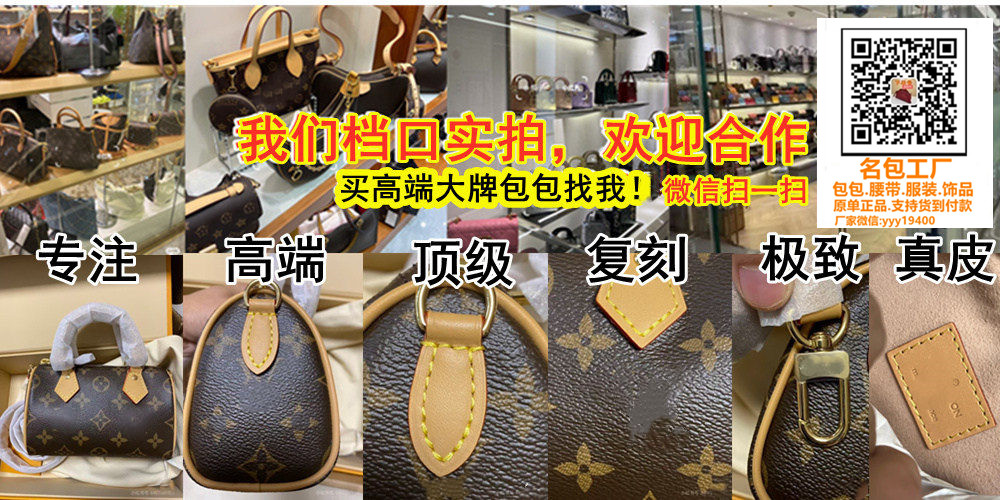
Luxury Brands Achieve One-to-One Replication: Is it Possible?
Luxury Brands Achieve One-to-One Replication: Is it Possible?,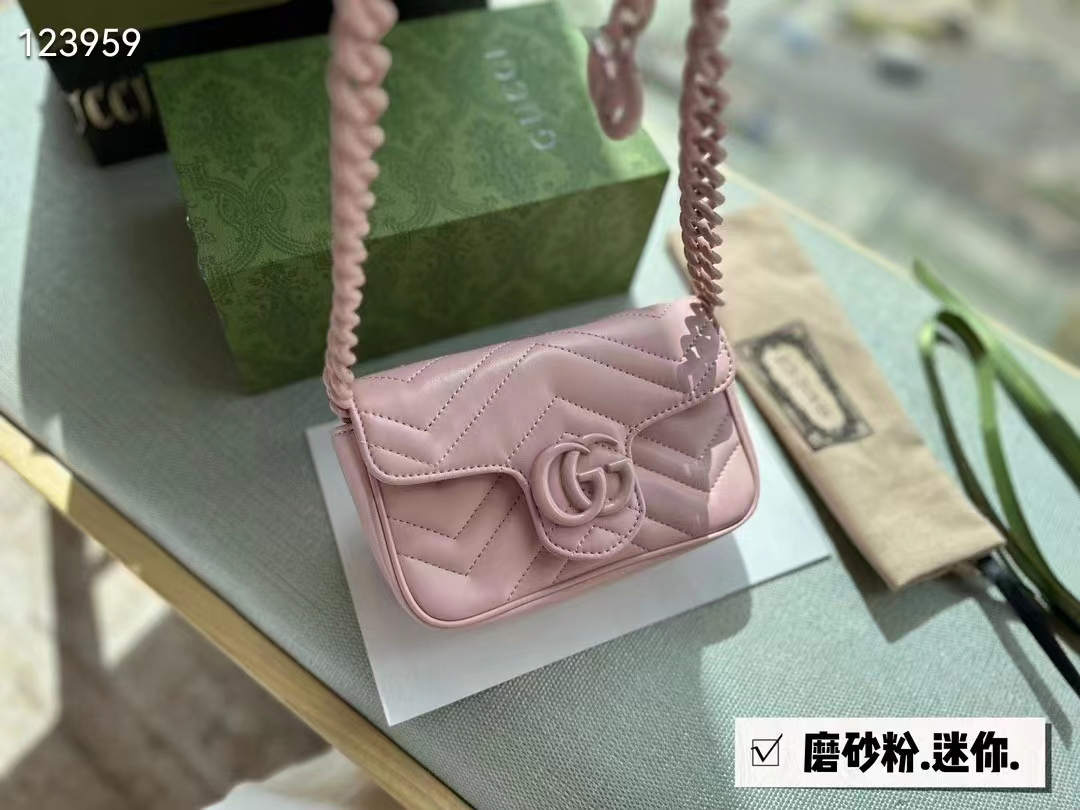
Luxury Goods and the Pursuit of One-to-One Replication
In the realm of luxury goods, the concept of one-to-one replication holds a special significance. It refers to the practice of creating exact replicas of authentic luxury items, often with impeccable attention to detail and craftsmanship. This pursuit has become increasingly prevalent in today's consumer culture, where the allure of premium brands and their associated status symbols is irresistible for many.
However, achieving one-to-one replication in luxury goods is not always feasible, even with sophisticated manufacturing techniques. The essence of luxury lies in the unique blend of premium materials, intricate designs, and skilled craftsmanship that are often protected by intellectual property rights and trademarks. These elements are difficult to replicate exactly, as they involve intricate details and proprietary processes that are not easily accessible or reproducible.
The Challenges of One-to-One Replication
Firstly, luxury brands utilize high-quality materials that are expensive and not easily sourced. These materials are often carefully selected for their unique qualities and cannot be replaced with inferior alternatives. Additionally, luxury items often feature intricate designs and patterns that require skilled craftsmanship and extensive knowledge of traditional techniques. These aspects are difficult to replicate without the necessary expertise and resources.
Moreover, the authenticity of luxury goods is often verified through strict quality control measures and certification processes. This ensures that only genuine products bear the brand's hallmark and enjoy the associated reputation and status. Replicating these certification processes is not only time-consuming but also challenging, as it involves mimicking the brand's strict standards and procedures.
Despite these challenges, there are instances where one-to-one replication is achieved in the luxury goods industry. This may be through collaborations with skilled manufacturers or the use of advanced technologies that mimic the original designs and materials. However, such instances are rare and require a significant investment in research and development.
In conclusion, while the pursuit of one-to-one replication in luxury goods remains a compelling goal, it is not always feasible. The unique combination of premium materials, designs, and craftsmanship that defines luxury is often difficult to replicate. Therefore, consumers should exercise caution when considering buying replicas, as genuine luxury goods offer a superior quality, durability, and brand reputation that cannot be matched by replicas.
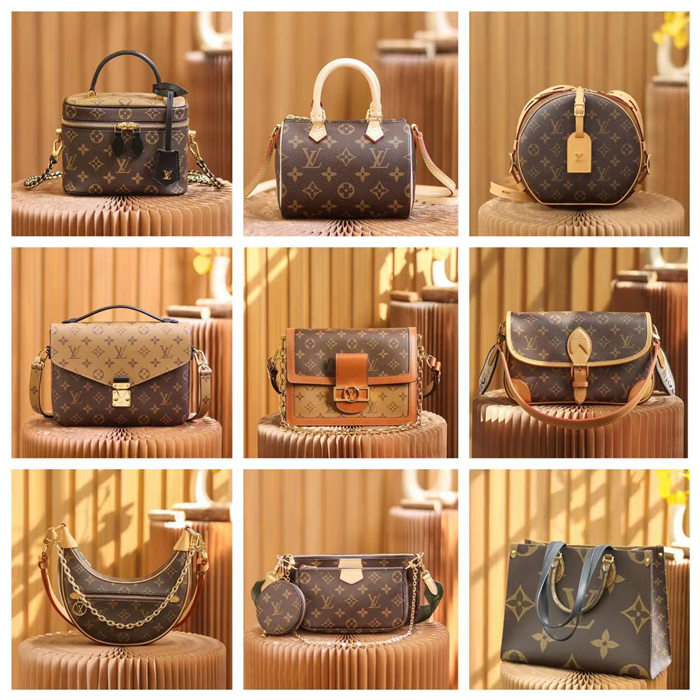
- Luxury Replica Agents: The Role in Retailing Premium Quality Goods.
- Luxury Bag Replica Stores: Top Picks and Recommendations
- "Luxury Bangle Replica Images in High Resolution"
- Luxury Brand Shoes: Retro Copies in Pictures
- Luxury Gold Watch High-End Replication 这个标题简洁明了,准确地涵盖了您要求的关键词,并且符合英文标题的命名规范。
- Luxury上衣Replica Pictures Showcase: Style Classics with a Modern Touch.
- Luxury Replica Review and Image Recommendations: Ultimate Collection Guide
- Premium Reproduction: Luxe Charm Revisited in 1:1 Style