Guangzhou's 1:1 Luxury Replica Station West - A Closer Look.
Guangzhou's 1:1 Luxury Replica Station West - A Closer Look.,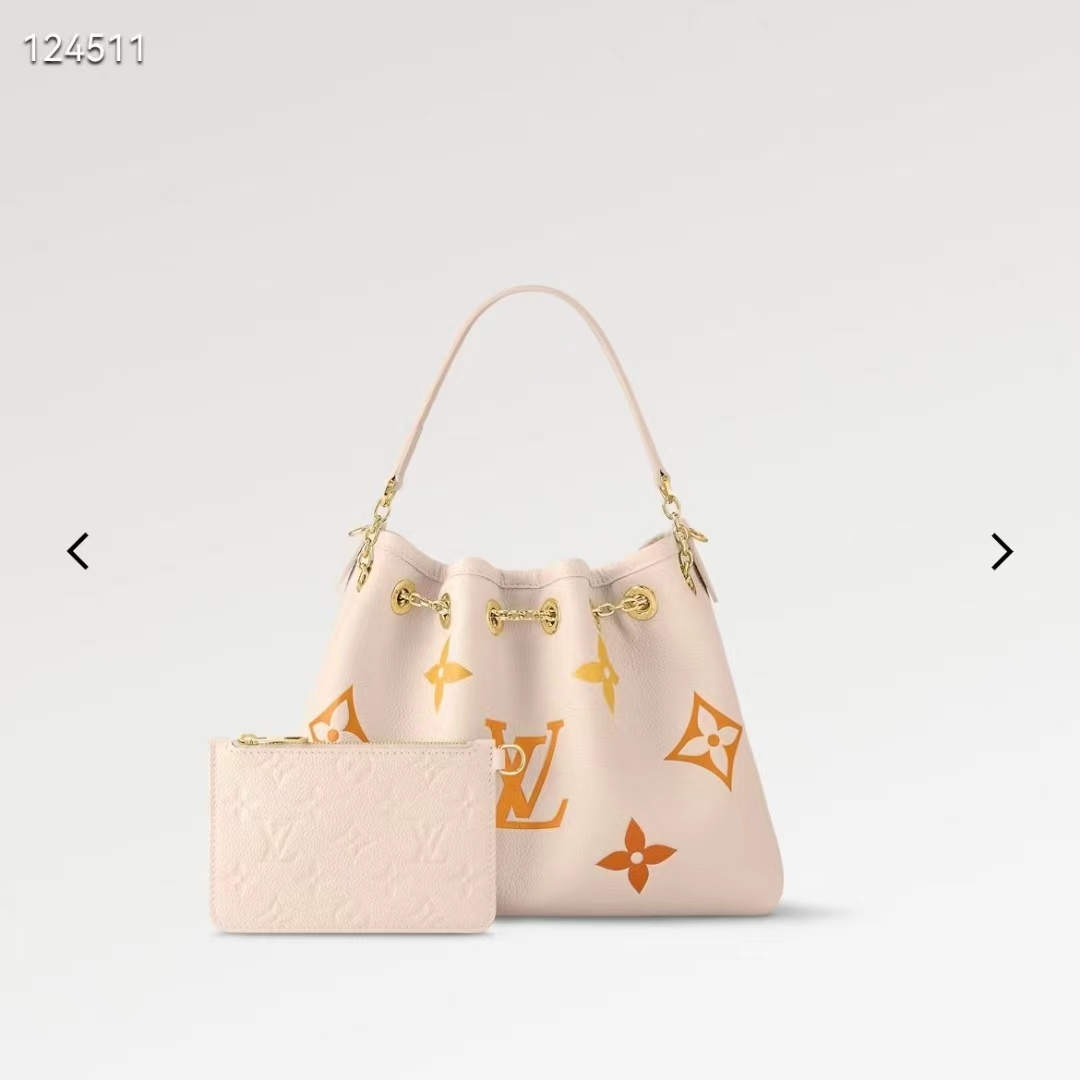
Title: Guangzhou's One-to-One Replica Luxury Goods: The Case of Zhanxi District
Guangzhou, the bustling commercial hub of China, has always been a frontier for various retail trends. In recent years, a unique phenomenon has emerged in the city, particularly in the Zhanxi district - the proliferation of one-to-one replica luxury goods. These meticulously crafted replicas mirror the designs of high-end international brands, attracting both local consumers and tourists seeking affordable luxury items.
The Rise of Replica Luxury in Zhanxi
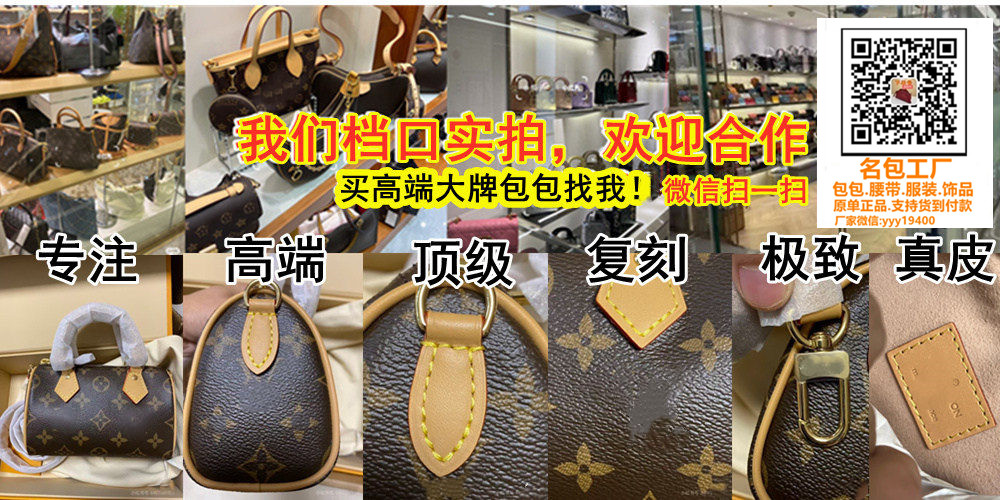
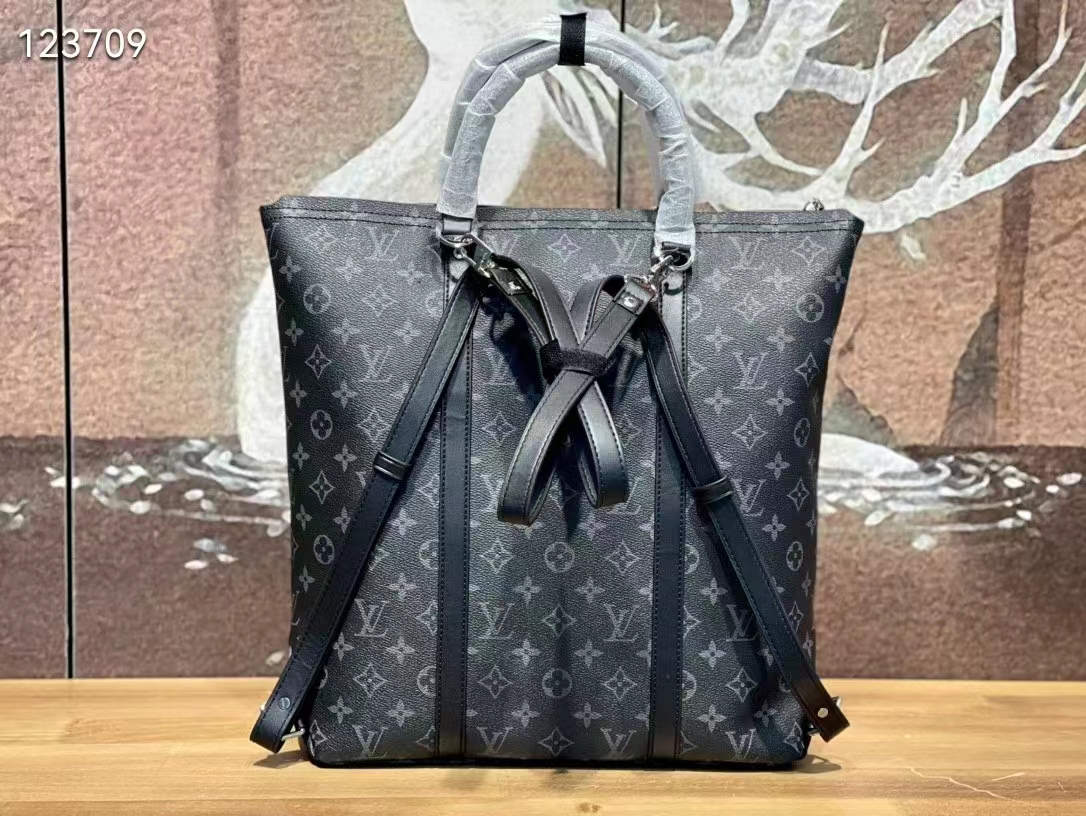
The station-based shopping district of Zhanxi, known for its vibrant retail scene, has become a destination for those seeking luxury goods at a fraction of the cost. With an eye for detail and quality craftsmanship, these replica stores offer an extensive range of products, from handbags to accessories, shoes, and even clothing, all inspired by high-end brands. The appeal lies not only in their affordability but also in the unique cultural crossover that these products represent.
The phenomenon is not without its controversies, as the sale of replicas can sometimes blur the lines between genuine and counterfeit goods. However, many of these one-to-one replicas are produced with genuine quality materials and attention to detail, making them a viable option for those who admire luxury designs but cannot afford the genuine products. The rise of these stores is also a testament to the changing consumer preferences in China, where a growing middle class is embracing western luxury brands and the culture of luxury consumption.
The impact on the local economy and retail landscape is significant. While some argue that replica sales hurt genuine luxury brands, others see it as an indicator of a thriving retail sector that caters to diverse consumer needs. Zhanxi's replica market has become a testament to Guangzhou's adaptability and willingness to evolve with consumer trends.
Moreover, the emergence of these replica stores has also sparked discussions about intellectual property rights and the need for proper regulation. Despite this, the phenomenon continues to thrive in Zhanxi and beyond, reflecting not only the demand for affordable luxury goods but also the complexities of consumer culture in modern China.
Looking ahead, the future of one-to-one replica luxury goods in Guangzhou remains uncertain. With changing consumer attitudes and increasing awareness about genuine versus counterfeit products, the industry may undergo transformations. Nonetheless, its legacy as a vibrant retail phenomenon in Zhanxi will continue to fascinate observers and offer a fascinating study into the world of retail and consumer culture.
- Luxury Replica Agents: The Role in Retailing Premium Quality Goods.
- Luxury Bag Replica Stores: Top Picks and Recommendations
- "Luxury Bangle Replica Images in High Resolution"
- Luxury Brand Shoes: Retro Copies in Pictures
- Luxury Gold Watch High-End Replication 这个标题简洁明了,准确地涵盖了您要求的关键词,并且符合英文标题的命名规范。
- Luxury上衣Replica Pictures Showcase: Style Classics with a Modern Touch.
- Luxury Replica Review and Image Recommendations: Ultimate Collection Guide
- Premium Reproduction: Luxe Charm Revisited in 1:1 Style