

Title: Customs Detection on Fake Leather Bags (A-Style Goods) 这个标题简洁明了地涵盖了您提到的关键词“a货包”(假皮革包)和“海关”,突出了海关检测这一核心要点。
Title: Customs Detection on Fake Leather Bags (A-Style Goods)
这个标题简洁明了地涵盖了您提到的关键词“a货包”(假皮革包)和“海关”,突出了海关检测这一核心要点。,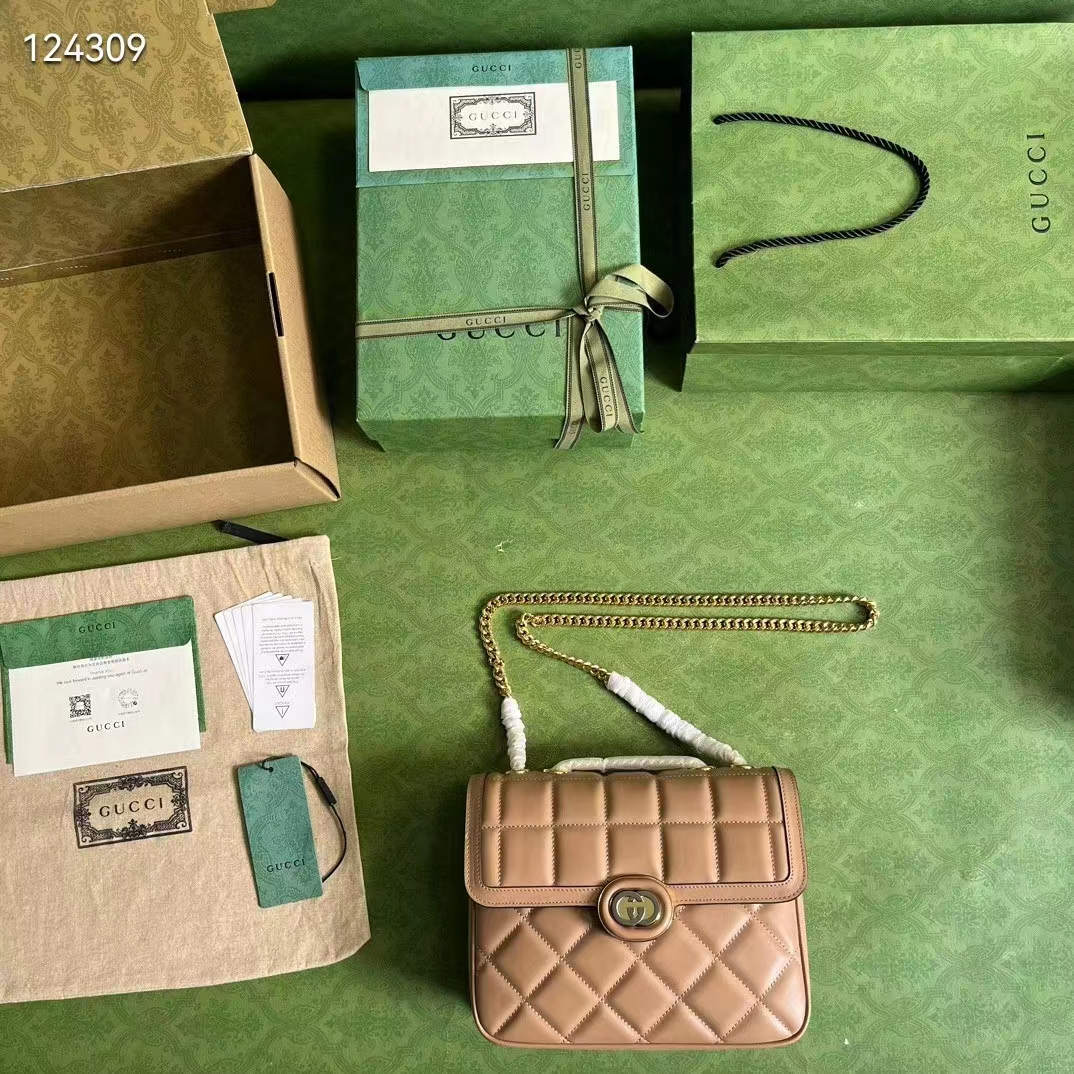
The Dilemma of A-Grade Goods and Customs: A Perspective on the Import and Export of Fake Goods
In the realm of international trade, the issue of counterfeit goods often becomes a subject of scrutiny for customs departments worldwide. This is particularly true for A-grade goods, which often simulate genuine branded products so effectively that they can pose a challenge even for the seasoned professional in the world of customs and imports.
Historically, the proliferation of A-grade goods has been a complex problem to tackle. These goods are often meticulously crafted to resemble genuine branded items, making them highly attractive to consumers who seek the luxury of brand names without the associated cost. However, the rise in A-grade goods has not only impacted the financial interests of legitimate brands but also poses a challenge to customs departments tasked with enforcing intellectual property rights.
The Role of Customs in Combating A-Grade Goods
Customs agencies are at the forefront of efforts to combat the influx of counterfeit goods into international trade. Their responsibility is not just limited to collecting taxes but also extends to safeguarding national economies from the harmful effects of fake products. This involves detecting and detaining A-grade goods that often simulate branded items so closely that they can deceive even experienced professionals.
The challenge lies in distinguishing genuine products from their counterfeit counterparts, especially when the latter are produced with such high levels of quality. In this regard, customs officials need to be equipped with sophisticated techniques and knowledge to identify any discrepancies, ensuring that such goods do not enter the market and tarnish legitimate brands. This not only helps protect intellectual property rights but also maintains fair trade practices and consumer welfare.
Moreover, customs departments play a crucial role in coordinating efforts with other agencies, such as law enforcement and anti-counterfeiting units, to dismantle the criminal networks responsible for manufacturing and distributing these goods. By working together, these agencies can ensure a multi-layered approach towards combating A-grade goods, thus making significant progress in preserving trade integrity.
Conclusion
In conclusion, the issue of A-grade goods poses a unique challenge to customs departments worldwide. The complexity of identifying such goods within a sea of counterfeit items requires a sophisticated approach that involves trained professionals and state-of-the-art technology. The collaboration between customs departments and other agencies is crucial in dismantling the criminal networks behind this trade and preserving fair trade practices.
Moreover, it is important to raise awareness among consumers about the risks associated with buying counterfeit goods. By educating them on the impact on legitimate businesses and the potential consequences of purchasing such items, we can empower them to make informed decisions and avoid supporting illegal activities.

- Luxury Replica Agents: The Role in Retailing Premium Quality Goods.
- Luxury Bag Replica Stores: Top Picks and Recommendations
- "Luxury Bangle Replica Images in High Resolution"
- Luxury Brand Shoes: Retro Copies in Pictures
- Luxury Gold Watch High-End Replication 这个标题简洁明了,准确地涵盖了您要求的关键词,并且符合英文标题的命名规范。
- Luxury上衣Replica Pictures Showcase: Style Classics with a Modern Touch.
- Luxury Replica Review and Image Recommendations: Ultimate Collection Guide
- Premium Reproduction: Luxe Charm Revisited in 1:1 Style