

Selling Fake Luxury Bags (A-Grade) as Original Is Illegal.
Selling Fake Luxury Bags (A-Grade) as Original Is Illegal.,
The Legality of Selling Replica Luxury Bags: An Analysis
In the world of fashion and luxury goods, high-end handbags are often symbols of status and quality. However, the market for these premium products is vast, leading to the emergence of a significant number of replica or "A-grade" bags that imitate the designs of genuine luxury brands. The sale of these A-grade bags, often at a lower price point, has become a controversial topic, with many asking whether it constitutes a violation of legal rights.
The legal implications of selling A-grade bags are complex and often nuanced. At the core of the issue lies the intellectual property rights of the original brand, which typically includes exclusive rights to the design, logo, and other aspects of the product. In many countries, selling replica bags without the permission of the original brand owner is considered illegal and may infringe on these intellectual property rights. Such actions may result in legal consequences for the seller, including fines or even imprisonment.
Impact on Original Brands and Consumers
Moreover, selling A-grade bags can have significant impacts on the original brand and its reputation in the market. While some consumers may be attracted to the lower price point of these replicas, they may also be misled into purchasing a product that does not offer the same quality, durability, or brand guarantee as the genuine article. This can erode trust in the original brand and potentially damage its reputation among customers who seek authenticity and quality.
On the other hand, for some consumers, buying A-grade bags may be a conscious decision to obtain a similar aesthetic at a lower cost. However, this practice also poses ethical considerations. The sale of A-grade bags may fund unauthorized manufacturing activities that benefit from infringing on intellectual property rights. Furthermore, these activities may undermine legitimate businesses that invest in research and development to create unique designs.
Conclusion
In conclusion, selling A-grade bags is a complex issue that involves legal, ethical, and consumer protection considerations. While the practice may offer consumers a lower-cost alternative, it often infringes on intellectual property rights and potentially harms legitimate businesses. Moreover, it can mislead consumers into purchasing products that do not offer the same quality and guarantee as genuine luxury goods. Therefore, it is important for all stakeholders to recognize the legal implications and ethical considerations associated with this practice to ensure a fair and sustainable marketplace.
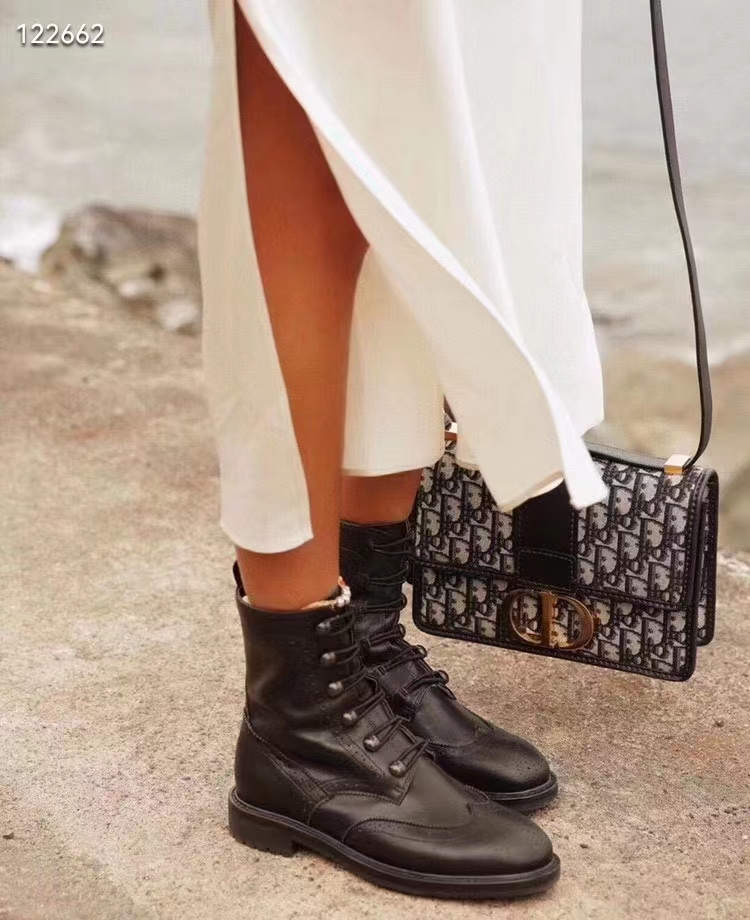
- Luxury Replica Agents: The Role in Retailing Premium Quality Goods.
- Luxury Bag Replica Stores: Top Picks and Recommendations
- "Luxury Bangle Replica Images in High Resolution"
- Luxury Brand Shoes: Retro Copies in Pictures
- Luxury Gold Watch High-End Replication 这个标题简洁明了,准确地涵盖了您要求的关键词,并且符合英文标题的命名规范。
- Luxury上衣Replica Pictures Showcase: Style Classics with a Modern Touch.
- Luxury Replica Review and Image Recommendations: Ultimate Collection Guide
- Premium Reproduction: Luxe Charm Revisited in 1:1 Style